Projected September 2026 (pending)
Welcome to
Ocean Song School
K-8 Waldorf-inspired Education in Victoria, BC
Be a part of the Growing Community
Join our email list to stay informed
Welcome to the Community
Join the Email list to stay updated!
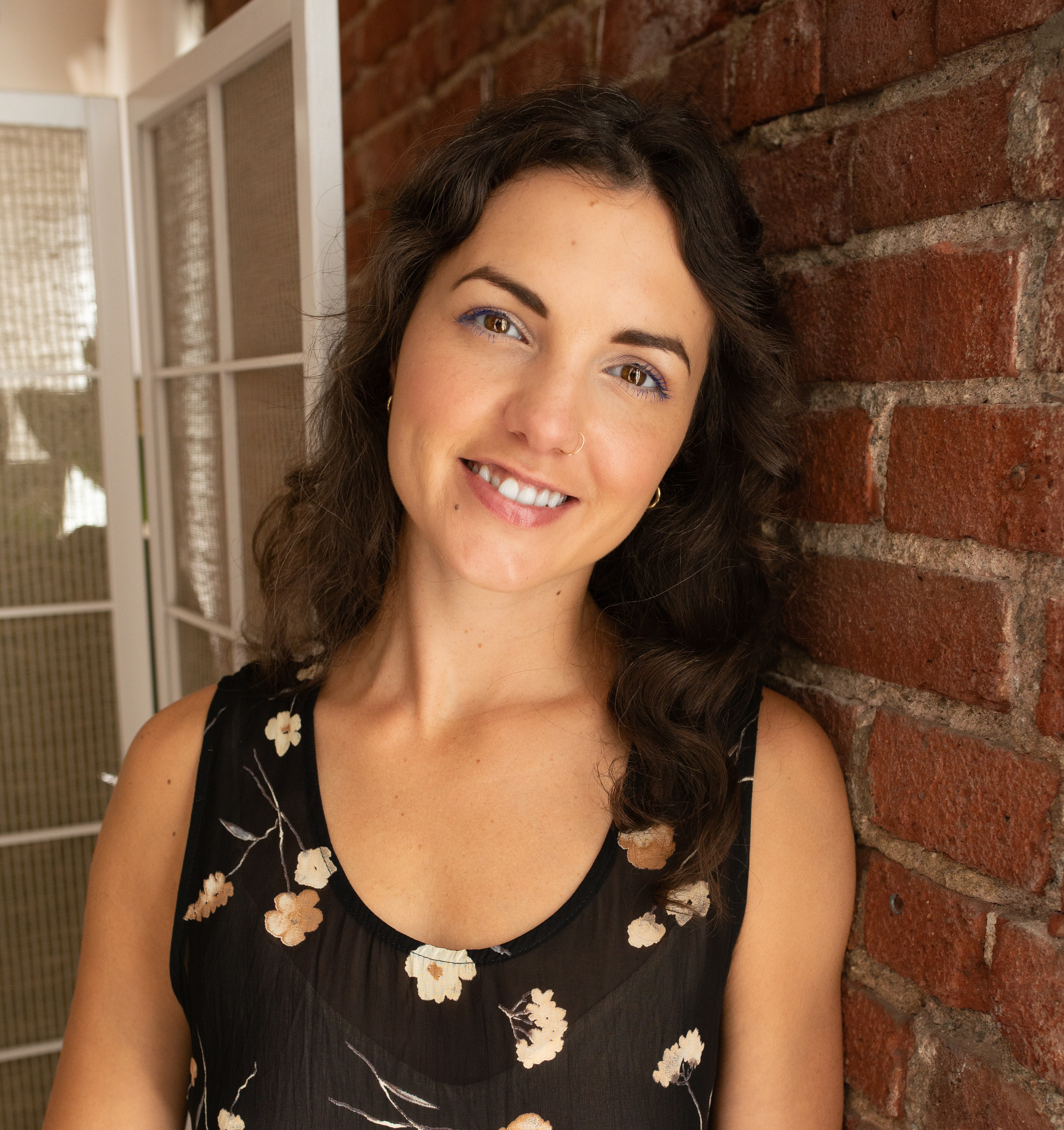
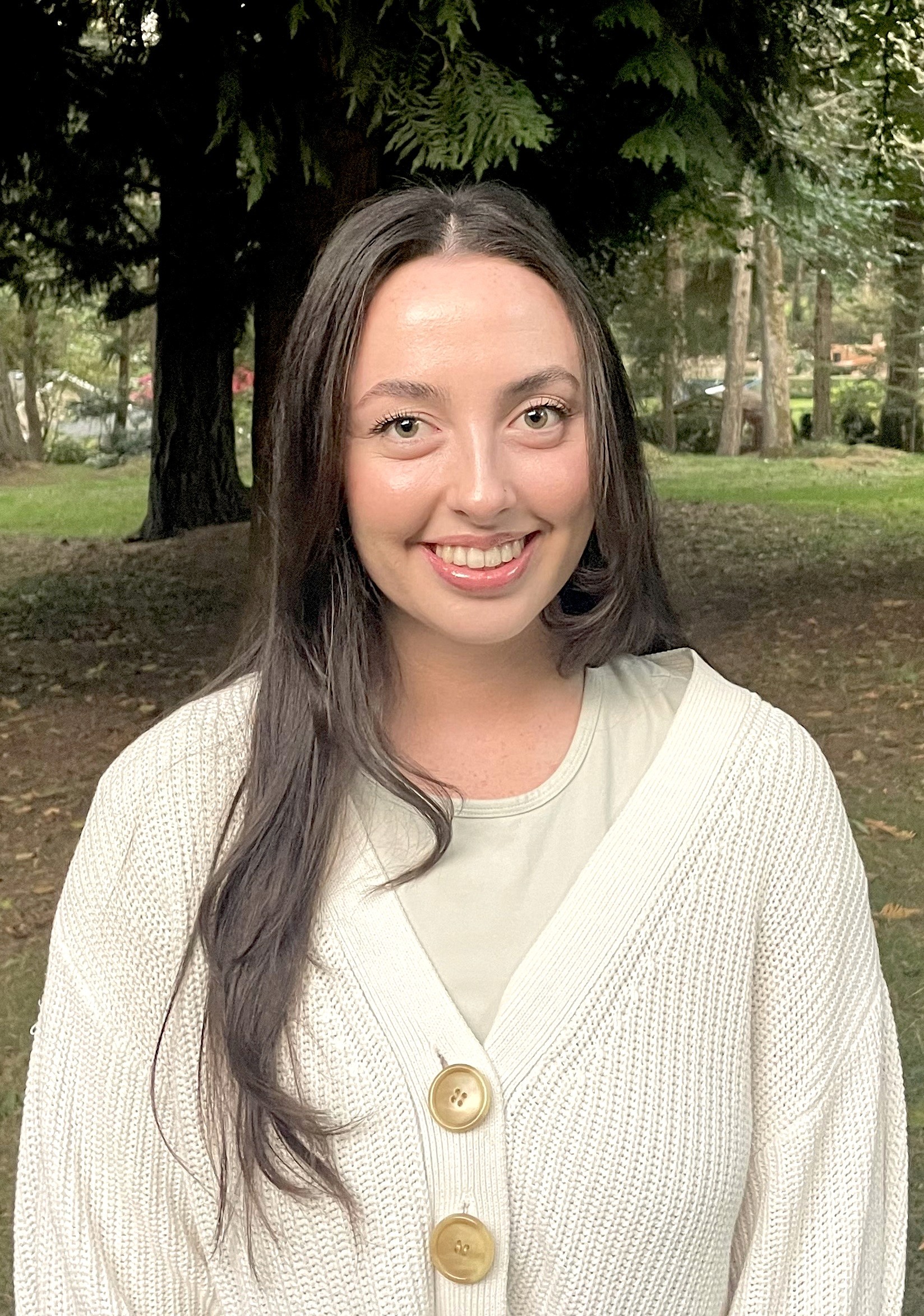
Meet the Board of Directors
Meet the Board of Directors

Mission
Guided by the natural rhythms and stages of childhood, we nurture a sense of freedom through developing the capacities of life-long learners.
Learn More
Mission
Guided by the natural rhythms and stages of childhood, we nurture a sense of freedom through developing the capacities of life-long learners.
Learn More
Mission
Guided by the natural rhythms and stages of childhood, we nurture a sense of freedom through developing the capacities of life-long learners.
Learn More
Programs
Programs & Admissions
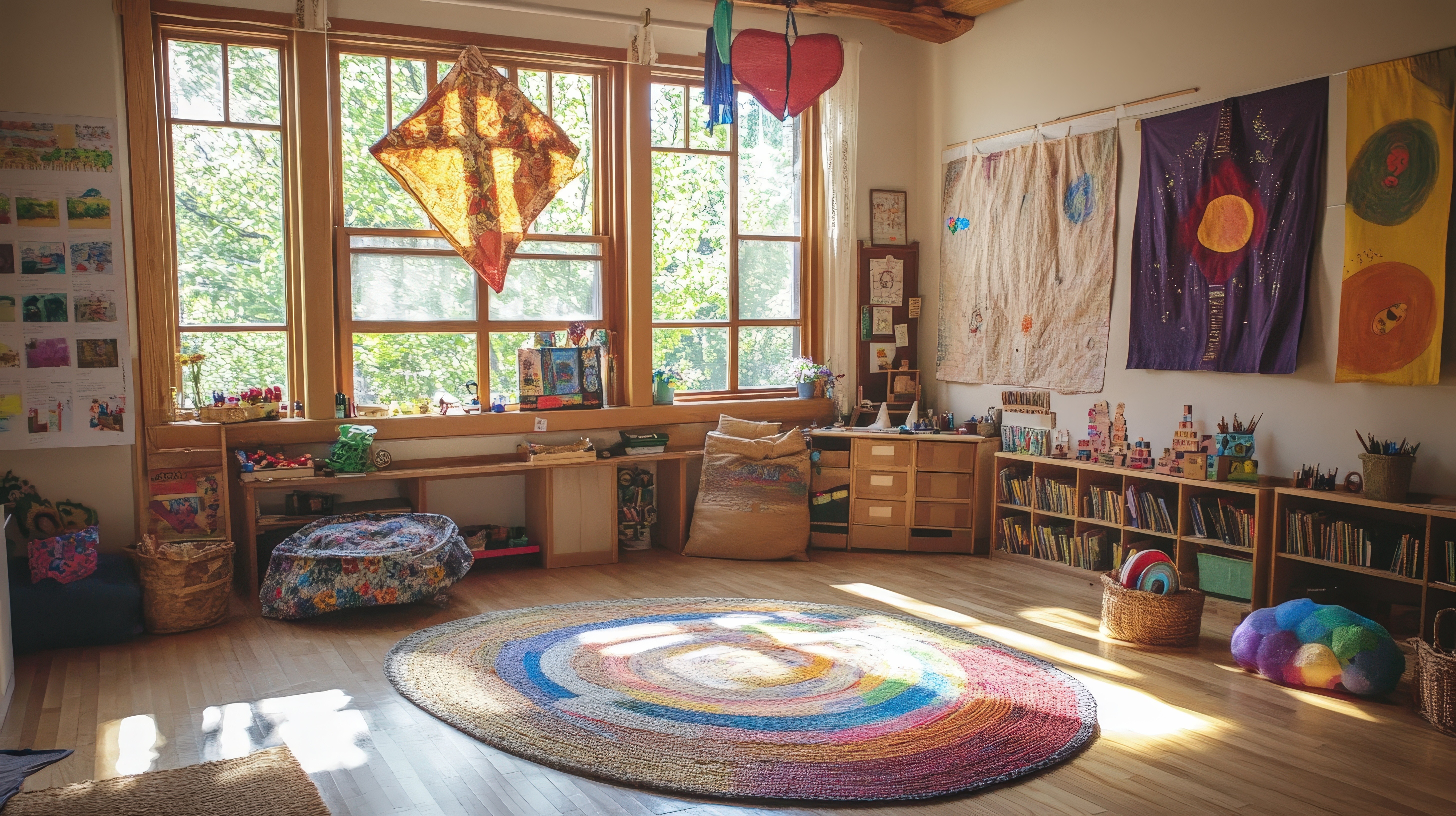
In the opening year, we intend to hold four classes; two Kindergarten and two early grades.
Providing a Waldorf-inspired approach to learning that is guided by child development, shaped by rhythm and grounded in care.


Programs
Programs & Admissions
In the opening year, we intend to hold four classes; two Kindergarten and two early grades.
Providing a Waldorf-inspired approach to learning that is guided by child development, shaped by rhythm and grounded in care.
Programs
Programs & Admissions
In the opening year, we intend to hold four classes; two Kindergarten and two early grades.
Providing a Waldorf-inspired approach to learning that is guided by child development, shaped by rhythm and grounded in care.
Blog
Waldorf-Inspired Parent Education


Blog
Waldorf-Inspired Parent Education
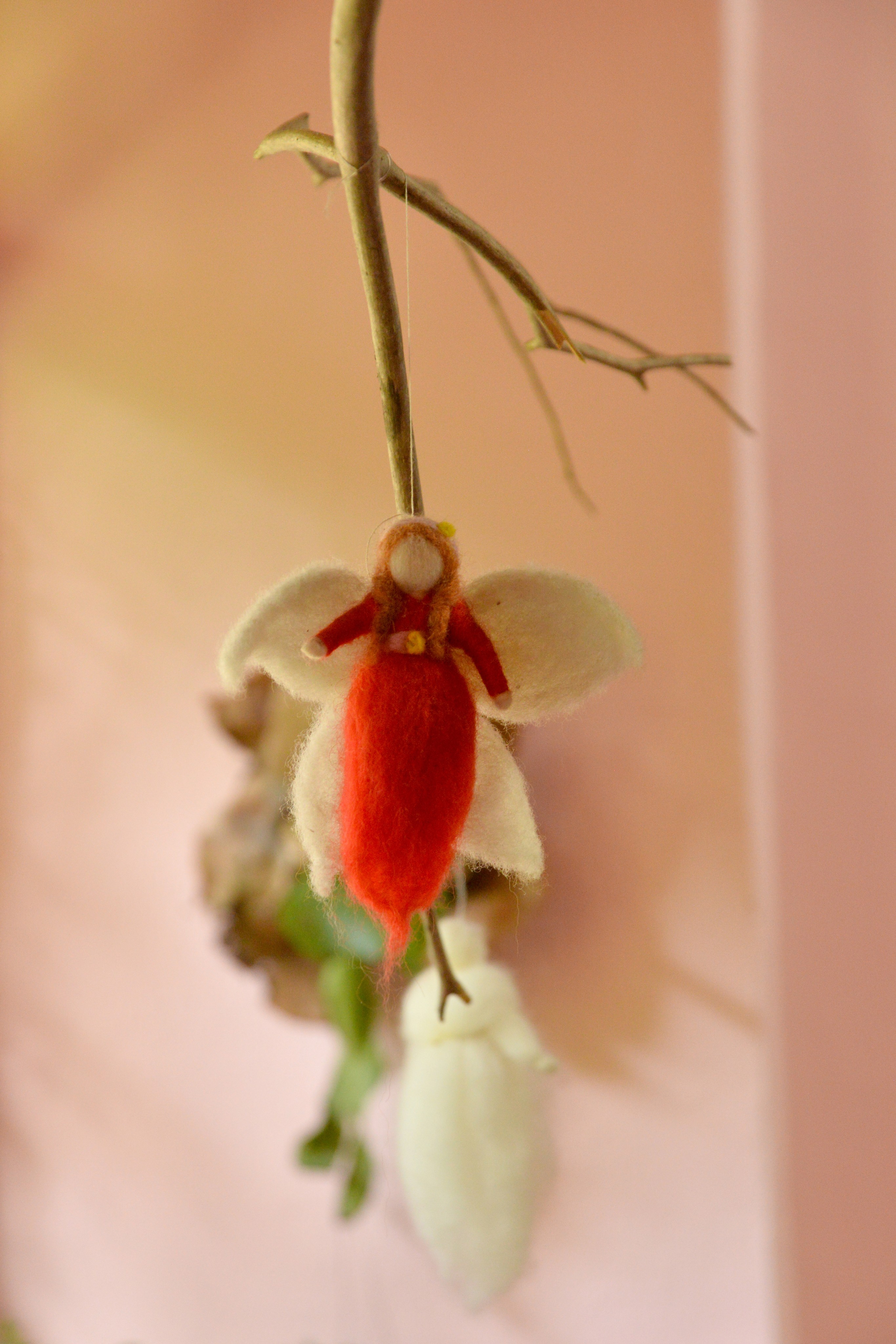
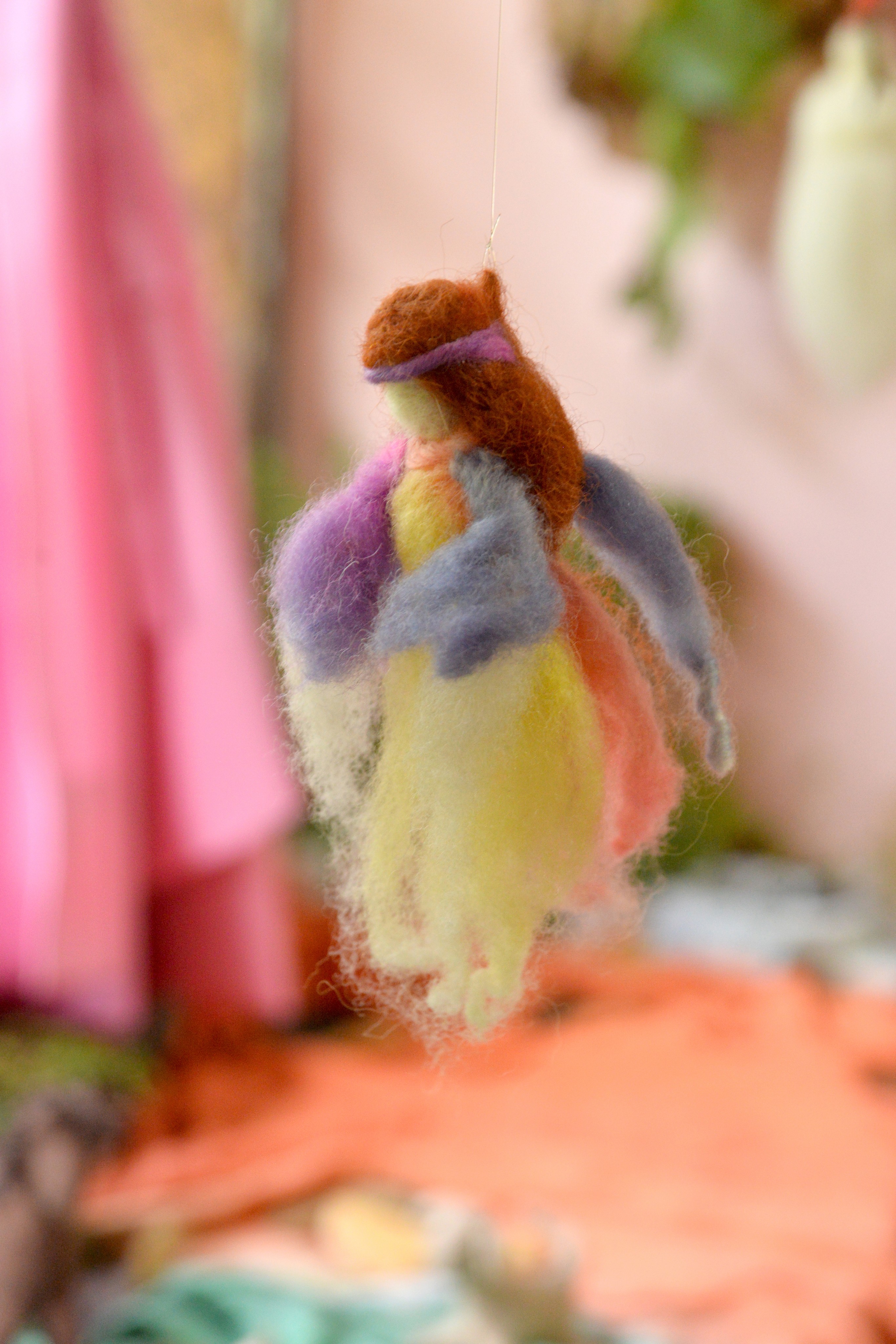
Help Plant the Seeds for Ocean Song School
Right now, we are in the seed stage—the very beginning. This is when your support makes the most difference. Your early gift doesn’t just cover start-up costs—it plants the foundation for everything to come.
Donate Today




Help Plant the Seeds for Ocean Song School
Right now, we are in the seed stage—the very beginning. This is when your support makes the most difference. Your early gift doesn’t just cover start-up costs—it plants the foundation for everything to come.
Donate Today
Help Plant the Seeds for Ocean Song School
Right now, we are in the seed stage—the very beginning. This is when your support makes the most difference. Your early gift doesn’t just cover start-up costs—it plants the foundation for everything to come.
Donate Today
FAQ
FAQ
FAQ
Frequently asked Questions
about Waldorf Education, and our School
How does Waldorf Education compare to Montessori?
Like Montessori, Waldorf values hands-on, experiential learning—but instead of focusing on self-directed independence and practical life skills right away, Waldorf emphasizes imagination, rhythm, and the natural unfolding of the stages of childhood. Early years are centered around play, nature, art, song, and imitation. Elementary years introduce academics through storytelling, movement, and the arts, keeping learning deeply engaging and meaningful. Technology is intentionally delayed to strengthen creativity and social connection first. Where Montessori nurtures independence and mastery of the physical world, Waldorf nurtures imagination, creativity, and a deep sense of connection—preparing children not only to think clearly, but also to live with warmth, purpose, and curiosity.
What is the philosophy that Waldorf Education is based on?
The origin of Waldorf Education comes from the study of Anthroposophy in Germany. It is the study of the wisdom of the human, and it is the philosophy that inspired Waldorf Education. Developed by Rudolf Steiner, he believed that every human being is a unique individual with a spiritual as well as physical and emotional life. Anthroposophy is not a religion—it’s more like a way to understand human development and our connection to the world. In a Waldorf school, this shows up through the way teachers pay attention to each child’s stage of development—not just academically, but emotionally, socially, and creatively as well. The goal is to support the whole child so they can grow into thoughtful, capable, and compassionate adults.
What does “Waldorf-inspired” mean?
A Waldorf-inspired school or program draws upon the principles and methods of Waldorf education but is not yet formally recognized by AWSNA. They follow a developmentally appropriate, arts-rich, and nature-based curriculum inspired by Waldorf pedagogy and plan to apply for membership with AWSNA or WECAN as soon as possible.
How is reading taught within Waldorf Education?
Waldorf schools align reading readiness with developmental milestones rather than age. The approach starts with oral language, storytelling, movement, and rich imagery — laying a deep foundation for comprehension. Once reading begins (often around age 7), progress tends to accelerate and reading comprehension is strong.
Where will you be located?
Centrally located in Victoria BC. Closeby to natural parks and forested areas. Exact location to be announed in the spring.
How does Waldorf Education compare to Montessori?
Like Montessori, Waldorf values hands-on, experiential learning—but instead of focusing on self-directed independence and practical life skills right away, Waldorf emphasizes imagination, rhythm, and the natural unfolding of the stages of childhood. Early years are centered around play, nature, art, song, and imitation. Elementary years introduce academics through storytelling, movement, and the arts, keeping learning deeply engaging and meaningful. Technology is intentionally delayed to strengthen creativity and social connection first. Where Montessori nurtures independence and mastery of the physical world, Waldorf nurtures imagination, creativity, and a deep sense of connection—preparing children not only to think clearly, but also to live with warmth, purpose, and curiosity.
What is the philosophy that Waldorf Education is based on?
The origin of Waldorf Education comes from the study of Anthroposophy in Germany. It is the study of the wisdom of the human, and it is the philosophy that inspired Waldorf Education. Developed by Rudolf Steiner, he believed that every human being is a unique individual with a spiritual as well as physical and emotional life. Anthroposophy is not a religion—it’s more like a way to understand human development and our connection to the world. In a Waldorf school, this shows up through the way teachers pay attention to each child’s stage of development—not just academically, but emotionally, socially, and creatively as well. The goal is to support the whole child so they can grow into thoughtful, capable, and compassionate adults.
What does “Waldorf-inspired” mean?
A Waldorf-inspired school or program draws upon the principles and methods of Waldorf education but is not yet formally recognized by AWSNA. They follow a developmentally appropriate, arts-rich, and nature-based curriculum inspired by Waldorf pedagogy and plan to apply for membership with AWSNA or WECAN as soon as possible.
How is reading taught within Waldorf Education?
Waldorf schools align reading readiness with developmental milestones rather than age. The approach starts with oral language, storytelling, movement, and rich imagery — laying a deep foundation for comprehension. Once reading begins (often around age 7), progress tends to accelerate and reading comprehension is strong.
Where will you be located?
Centrally located in Victoria BC. Closeby to natural parks and forested areas. Exact location to be announed in the spring.
How does Waldorf Education compare to Montessori?
Like Montessori, Waldorf values hands-on, experiential learning—but instead of focusing on self-directed independence and practical life skills right away, Waldorf emphasizes imagination, rhythm, and the natural unfolding of the stages of childhood. Early years are centered around play, nature, art, song, and imitation. Elementary years introduce academics through storytelling, movement, and the arts, keeping learning deeply engaging and meaningful. Technology is intentionally delayed to strengthen creativity and social connection first. Where Montessori nurtures independence and mastery of the physical world, Waldorf nurtures imagination, creativity, and a deep sense of connection—preparing children not only to think clearly, but also to live with warmth, purpose, and curiosity.
What is the philosophy that Waldorf Education is based on?
The origin of Waldorf Education comes from the study of Anthroposophy in Germany. It is the study of the wisdom of the human, and it is the philosophy that inspired Waldorf Education. Developed by Rudolf Steiner, he believed that every human being is a unique individual with a spiritual as well as physical and emotional life. Anthroposophy is not a religion—it’s more like a way to understand human development and our connection to the world. In a Waldorf school, this shows up through the way teachers pay attention to each child’s stage of development—not just academically, but emotionally, socially, and creatively as well. The goal is to support the whole child so they can grow into thoughtful, capable, and compassionate adults.
What does “Waldorf-inspired” mean?
A Waldorf-inspired school or program draws upon the principles and methods of Waldorf education but is not yet formally recognized by AWSNA. They follow a developmentally appropriate, arts-rich, and nature-based curriculum inspired by Waldorf pedagogy and plan to apply for membership with AWSNA or WECAN as soon as possible.
How is reading taught within Waldorf Education?
Waldorf schools align reading readiness with developmental milestones rather than age. The approach starts with oral language, storytelling, movement, and rich imagery — laying a deep foundation for comprehension. Once reading begins (often around age 7), progress tends to accelerate and reading comprehension is strong.
Where will you be located?
Centrally located in Victoria BC. Closeby to natural parks and forested areas. Exact location to be announed in the spring.
Values
Values
Values
Core Values
We grow in Community
Our school is a shared effort among teachers, families, and administrators—built on cooperation, agency, and mutual respect.
We build students capacity through movement & meaningful work
Physical activity, nature play, and practical tasks build stamina, focus, and an engaged will.
We meet children where they are—physically, emotionally, and intellectually—recognizing that development unfolds in natural stages.
We introduce technology at
the right time
We introduce technology at
the right time
We delay its use in the early years to prepare students to engage with it in ways that support their well-being, relationships, and contributions to the wider world.
We teach through
rhythm & relationships
We teach through
rhythm & relationships
Strong rhythms and trusted relationships give children a dependable ground for learning and life.
Strong rhythms and trusted relationships give children a dependable ground for learning and life.
We aim for Freedom
Our goal is to support the development of thoughtful, morally grounded individuals who act with purpose & care.
Our goal is to support the development of thoughtful, morally grounded individuals who act with purpose & care.